
2026-09-14 ·
Signs Your Water Heater Needs Replacement This Winter
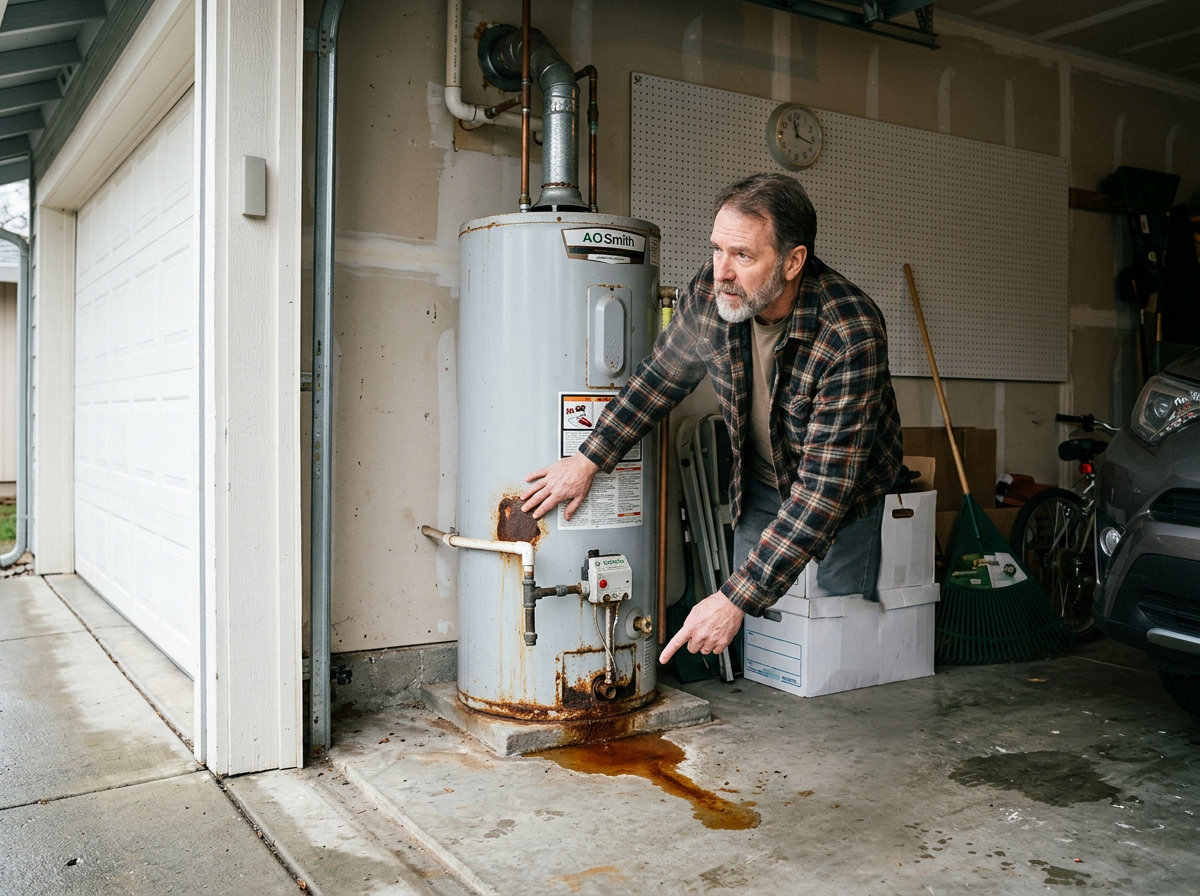
Water heaters in California homes typically show clear signs of needing replacement after 8-12 years of service. When a unit reaches this range, owners should inspect for rust-colored water, pooling leaks, and inconsistent temperatures that worsen in colder months. These indicators often appear first during winter when demand rises and incoming water temperatures drop.
Age and Lifespan Indicators
A standard tank water heater carries an expected service life of 8-12 years under normal use. Units older than this range develop internal corrosion that leads to leaks and reduced efficiency. In coastal Torrance areas with softer water, tanks may reach the upper end of that lifespan, while inland locations with harder water accelerate wear on heating elements. Checking the manufacture date on the data plate provides the first objective measure. Once a unit passes 10 years, even without visible problems, planning for water heater replacement becomes practical to avoid sudden failure during peak winter use.
Visible Corrosion and Leak Signs
Rust streaks on the tank exterior or around fittings indicate internal degradation that no repair fully reverses. Small puddles near the base or moisture along the T&P valve discharge line point to failing seals or tank walls. In seismic zones, proper strapping at 18 inches and 34 inches from the floor must remain intact; any movement that loosens these straps increases leak risk. Homeowners who notice recurring moisture after tightening connections should schedule inspection rather than repeated patching.
Performance Drops in Winter Conditions
Reduced hot water volume or longer recovery times become noticeable when winter groundwater arrives cooler. A 40-gallon or 50-gallon tank that once supplied adequate showers may now run out quickly if sediment buildup has occurred. Tankless conversion requires upsized gas lines and proper venting that many existing homes lack, making full replacement of a conventional unit the simpler path. Persistent temperature fluctuations despite thermostat adjustments signal that the heating elements or gas burner assembly have reached the end of reliable operation.
Noises, Odors, and Safety Concerns
Rumbling or popping sounds arise when sediment layers trap water against the tank bottom and superheat. These noises intensify in winter when the burner runs longer. Rotten-egg odors often trace to bacteria in accumulated sediment, especially in areas using well water. The 18-inch garage rule requires elevated installation so that FVIR sensors remain above potential gasoline vapor levels; older units installed below this height create ongoing safety issues that replacement resolves at once.
Hard Water Effects and Regional Factors
Inland and desert portions of California experience accelerated scale formation that insulates heating elements and shortens element life. Coastal Torrance water, being softer, produces less scale but still requires periodic flushing. Readers facing repeated element failures can review how hard water affects water heater elements in Torrance for targeted maintenance steps before deciding on replacement. Thermal expansion tanks and correctly routed T&P lines remain code requirements on closed systems and must be verified during any new installation.
Next Steps for Replacement Planning
When multiple signs appear together, contacting a local service for assessment prevents emergency situations. Water heater replacement follows local permit requirements that protect both property and occupants. The permit process for water heater replacement in Torrance outlines the documentation typically needed. Addressing replacement before winter storms arrive avoids cold showers and potential water damage during periods when response times lengthen.